October 12, 2026
EXPLORING UGANDA THROUGH FOOD: A COMPLETE GUIDE TO GASTRONOMIC TOURISM IN THE PEARL OF AFRICA
Uganda, famously known as the Pearl of Africa, is celebrated for its spectacular landscapes, diverse wildlife, rich cultural heritage and welcoming communities. However, one of the country's most interesting experiences can be discovered through its food. From traditional dishes prepared using recipes passed down through generations to vibrant street-food stalls, fresh tropical fruits and locally grown coffee, Uganda offers a culinary journey that reflects the country's people, traditions and natural abundance. Gastronomic tourism, also known as culinary tourism, involves travelling to experience a destination through its food, cooking methods, local ingredients and dining traditions. In Uganda, this form of tourism allows visitors to go beyond sightseeing and discover the stories, customs and cultural identities behind the meals served in homes, markets, restaurants and rural communities.
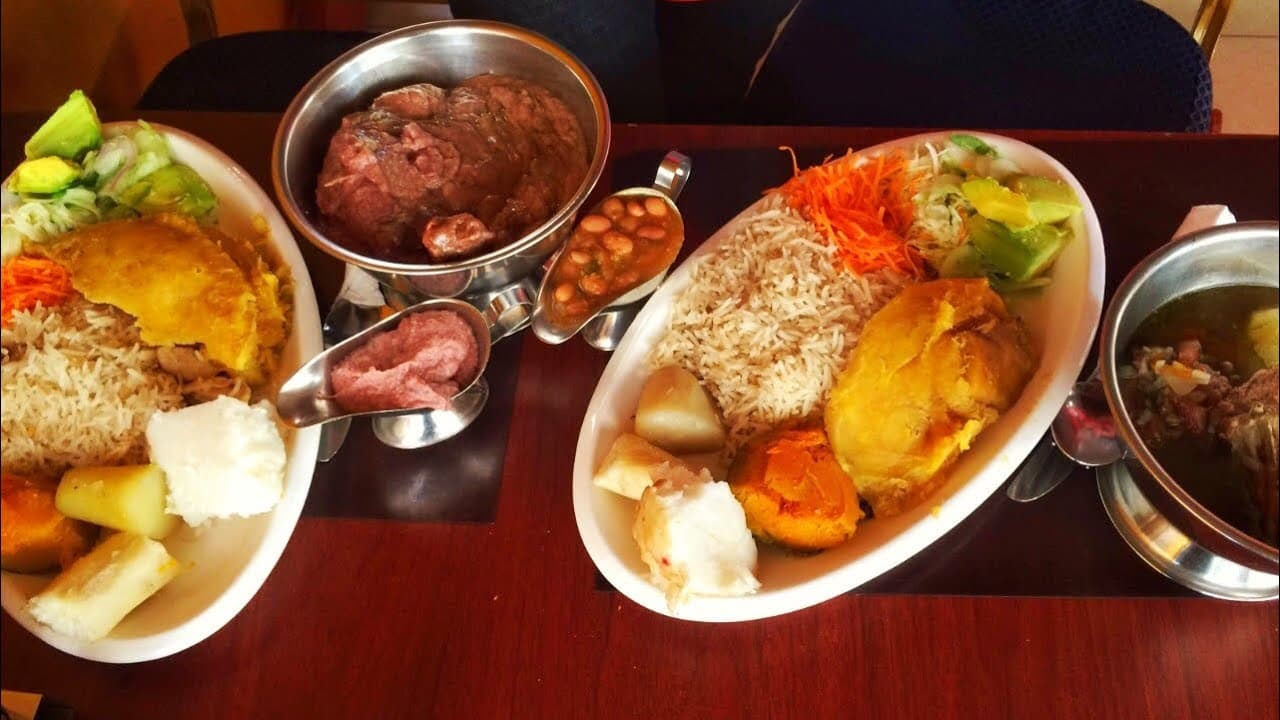
Gastronomic tourism is about more than tasting unfamiliar dishes. It allows travelers to understand how food connects people to their history, environment, traditions and everyday lives. In Uganda, different communities have developed distinctive culinary practices based on the crops they grow, the animals they keep, the ingredients available in their regions and the customs they have preserved over time. A visitor who learns how matooke is prepared, watches a traditional luwombo meal being cooked or visits a local market to discover unfamiliar ingredients gains a deeper understanding of Ugandan culture.
This form of tourism also creates economic opportunities for farmers, food vendors, restaurant owners, local guides, chefs and small-scale producers. Culinary experiences can encourage visitors to purchase locally grown produce, support family-owned food businesses and participate in community activities. When carefully developed, gastronomic tourism can help preserve traditional recipes, encourage the use of indigenous ingredients and give local communities a stronger role in presenting their heritage to visitors.
Must-Try Traditional Foods in Uganda
1. Matooke and Luwombo — The Flavors of Buganda
Matooke, made from green cooking bananas, is one of Uganda's best-known staple foods. The bananas are commonly peeled, wrapped in banana leaves and steamed until soft before being mashed and served with sauces, vegetables or meat. Although closely associated with Buganda, matooke is enjoyed in many other parts of the country. For visitors, learning about its preparation offers a glimpse into the role of bananas in Ugandan agriculture, household cooking and cultural traditions.
Luwombo is another important dish associated with Buganda's culinary heritage. It is prepared by cooking ingredients such as chicken, beef, fish or groundnut sauce inside carefully folded banana leaves. The slow steaming process allows the ingredients to cook together while retaining moisture and developing flavor. Often served with matooke and other traditional accompaniments, luwombo is particularly interesting to visitors who want to understand the skill, patience and cultural significance behind traditional Ugandan cooking.
2. The Ugandan Rolex — A Favorite Street-Food Experience
The Ugandan rolex is one of the country's most recognizable street foods. It consists of a chapati wrapped around an omelette, often prepared with tomatoes, onions and cabbage. Its name comes from the expression "rolled eggs," and it has become a popular meal among students, workers, residents and visitors looking for a quick and satisfying bite.
Kampala and other urban centres provide plenty of opportunities to observe rolex vendors preparing the food on hot griddles, often in full view of customers. Visitors can watch the chapati being cooked, see the eggs and vegetables combined and enjoy the meal while exploring the surrounding neighborhood. The rolex demonstrates how an everyday food can become part of a country's modern identity and provide an accessible introduction to its street-food culture.
3. Malewa and Millet Dishes — Discovering Eastern Uganda's Food Heritage
Eastern Uganda offers visitors an opportunity to explore food traditions closely connected with the Bagisu and other communities around Mount Elgon. One notable dish is malewa, prepared using bamboo shoots that are traditionally processed and cooked with ingredients such as groundnut paste. It can be served alongside staple foods such as matooke or posho, providing a distinctive taste and a connection to local food traditions.
Millet is also important in several Ugandan communities, particularly in parts of the eastern, northern and western regions. It is ground into flour and prepared into a firm traditional accompaniment known by names such as kalo in some communities. Visiting local food markets or participating in a community cooking experience can help travelers understand how indigenous crops are grown, processed and incorporated into everyday meals.
4. Malakwang and Traditional Foods of Northern Uganda
Northern Uganda has a rich culinary heritage shaped by locally available crops, leafy vegetables and traditional cooking practices. Malakwang, a sour leafy vegetable dish particularly associated with Acholi food traditions, is one example. The leaves are prepared into a sauce, often with groundnut paste, and served with staples such as millet bread, cassava or sweet potatoes.
Food experiences in northern Uganda can introduce visitors to the relationship between agriculture, seasonal ingredients and community traditions. Depending on the location, travelers may also encounter locally prepared beans, smoked or dried foods, traditional sauces and meals made from indigenous crops. These experiences provide an opportunity to appreciate regional culinary diversity rather than assuming that one dish represents the whole country.
Best Places to Experience Gastronomic Tourism in Uganda
1. Kampala — Street Food, Markets and Modern Dining
Kampala is an excellent starting point for a culinary journey because it brings together traditional dishes, street food, regional cuisines and contemporary dining experiences. Visitors can explore food markets, sample rolex, taste local snacks and discover restaurants serving Ugandan meals alongside international dishes. Markets such as Nakasero and Owino offer a glimpse into the ingredients that support the city's food culture, including fresh vegetables, bananas, grains, spices and tropical fruits.
A guided food tour can combine market visits with tastings at selected food stalls and restaurants. Travelers can learn about the origins of popular dishes, observe how certain foods are prepared and discover how traditional cooking practices coexist with modern urban lifestyles. As with any market visit, it is best to arrange access respectfully, ask permission before photographing people and follow local food-safety advice.
2. Jinja — Street Food and Local Food Experiences
Jinja is widely known for its adventure activities and the River Nile, but it also provides opportunities to explore Uganda's everyday food culture. Visitors can sample rolex, grilled meat, roasted plantain, chapati and other local snacks while discovering the town's restaurants and markets. Local food stops can also be incorporated into a wider excursion around Jinja, creating a balanced experience that combines eating, sightseeing and cultural discovery.
Travelers interested in a deeper experience can arrange visits with local cooks or food producers where available. Such activities may introduce them to the ingredients used in traditional meals and the preparation methods behind familiar dishes. Combining food with a visit to the Source of the Nile or nearby communities can make Jinja an appealing destination for travelers seeking experiences beyond conventional sightseeing.
3. Fort Portal — Farm Produce, Traditional Meals and Western Uganda's Flavors
Fort Portal and the surrounding Toro region offer an excellent setting for exploring the connection between food, farming and landscape. The area is known for its green countryside, fertile agricultural land, tea-growing areas and access to fresh produce. Visitors can enjoy traditional Ugandan meals while discovering how local ingredients support households, restaurants and regional markets.
A culinary excursion around Fort Portal can include local food tastings, market visits and, where arrangements are available, farm experiences that introduce visitors to the production of bananas, vegetables, tea and other crops. The region can also be combined with visits to crater lakes, cultural attractions and nearby natural destinations. This makes food a valuable part of a wider travel itinerary rather than an experience limited to restaurants.
4. Eastern Uganda — Coffee, Malewa and Mount Elgon's Food Traditions
Eastern Uganda offers a distinctive culinary experience influenced by the agricultural communities around Mount Elgon. Visitors can discover traditional dishes such as malewa, explore local markets and learn about the region's coffee-growing heritage. Coffee experiences may include visits to farms, demonstrations of processing methods and opportunities to taste locally produced coffee, depending on the facilities and activities available at the time of travel.
Food tourism in this region can be combined with excursions to Sipi Falls, Mount Elgon and surrounding communities. Travelers can enjoy the scenery while learning how farming, local ingredients and cultural practices influence the area's cuisine. Such experiences can also provide opportunities to support local producers and community-based businesses.
5. Southwestern Uganda — Fresh Produce and Community Food Experiences
The southwestern region, including areas around Kabale, Kisoro and Lake Bunyonyi, offers opportunities to discover food traditions shaped by highland agriculture and local community life. Visitors may encounter Irish potatoes, beans, peas, sweet potatoes, vegetables and other crops that are important to households and regional markets. Meals vary between communities and establishments, giving travelers a chance to appreciate the diversity of Uganda's regional cooking.
A food-focused excursion can include market visits, locally prepared meals and farm experiences where these are organized with community members or local operators. Travelers visiting the region for its hills, lakes or gorilla trekking can incorporate culinary activities into their itineraries, creating a more rounded experience of southwestern Uganda.
Types of Gastronomic Experiences to Enjoy in Uganda
Uganda offers several ways to explore its food culture, depending on a traveler's interests, available time and preferred style of travel.
Traditional cooking experiences allow visitors to learn how selected Ugandan dishes are prepared, from peeling and steaming matooke to making sauces and wrapping ingredients in banana leaves. Where possible, these experiences can be arranged with local cooks or community hosts who can explain the cultural significance of the dishes.
Street-food tours introduce travelers to popular snacks and everyday meals, including rolex, chapati, samosas, roasted plantain and grilled meat. A guided tour can help visitors understand the ingredients, preparation methods and local customs associated with the foods they encounter.
Market and farm visits provide insight into the journey from farm to table. Travelers can discover seasonal produce, learn about indigenous crops and see how local ingredients are sold and used in household cooking. Farm visits should be arranged with the owners or relevant community representatives.
Coffee and agricultural experiences connect visitors with Uganda's farming heritage. Depending on the destination, travelers may learn about coffee cultivation, harvesting, processing and roasting, or explore the production of other locally grown crops.
Food festivals and culinary events provide opportunities to sample different dishes and meet the people who prepare them. Such events may feature traditional foods, cooking demonstrations, local products and contemporary interpretations of Ugandan cuisine. Visitors should check current event schedules before planning a trip around a particular festival.
The Role of Local Ingredients in Ugandan Cuisine
Uganda's culinary diversity is closely connected to its agricultural resources. Bananas, cassava, sweet potatoes, millet, maize, beans, groundnuts, leafy vegetables, fish and a wide range of tropical fruits feature in different regional food traditions. These ingredients provide the foundation for meals that reflect local growing conditions, cultural preferences and household practices.
Tropical fruits are another highlight for visitors. Depending on the season, markets and roadside stalls may offer pineapple, mangoes, passion fruit, jackfruit, papaya and several varieties of bananas. Sampling freshly prepared fruit or locally produced juice can be a simple but memorable part of a culinary journey. Visitors should choose clean preparation settings and use safe drinking water.
Coffee also deserves a place in Uganda's gastronomic story. The country is an important coffee producer, and visitors can explore how coffee moves from farms to processing facilities, roasters and cafés. A coffee experience can introduce travelers to the work involved in producing each cup while highlighting the contribution of farmers and other people in the supply chain.
How Gastronomic Tourism Supports Local Communities
Gastronomic tourism can create economic opportunities across the food supply chain. Farmers supply ingredients, vendors prepare and sell meals, restaurants employ cooks and service staff, and guides organize food-focused excursions. When visitors choose locally owned businesses and locally sourced products, more of their spending can benefit people within the destination.
Culinary experiences can also help preserve cultural knowledge. Traditional recipes, food-processing techniques and cooking methods are often passed between generations through everyday practice. By creating respectful opportunities for visitors to learn about these traditions, communities can share their heritage while encouraging younger generations to appreciate its value.
Responsible food tourism should, however, go beyond commercializing traditional dishes. Experiences should respect community preferences, acknowledge the people who share their knowledge and avoid presenting one community's food as representative of all Uganda. Supporting fair payment, reducing food waste and using locally available ingredients where practical can help make culinary tourism more sustainable.
Practical Tips for Travelers Exploring Uganda Through Food
Travelers should approach unfamiliar dishes with curiosity and respect. Asking a local guide or host to explain the ingredients and preparation methods can make a meal more meaningful, especially when a dish has a particular cultural or ceremonial significance. It is also useful to communicate dietary requirements, food allergies and personal preferences before participating in a cooking activity or ordering a meal.
Food safety is equally important. Choose vendors and restaurants that maintain good hygiene, serve freshly prepared food and handle ingredients appropriately. Drink safe water, wash or sanitize your hands before eating and take care with raw foods that may have been washed in unsafe water. Travelers with specific dietary or medical needs should plan accordingly and communicate clearly with their hosts.
Finally, remember that availability and preparation methods can vary by region, season and household. Not every traditional dish is available everywhere, and some ingredients may be seasonal. Allowing time for local recommendations and being open to trying unfamiliar foods can lead to some of the most rewarding discoveries of a trip.
Combining Food Experiences with a Traditional Ugandan Safari
One of the best ways to enjoy gastronomic tourism in Uganda is to combine it with the country's well-known wildlife and cultural experiences. A traveler could begin with a food tour in Kampala, continue to Jinja for street food and Nile-side experiences, and then travel to eastern Uganda to discover coffee-growing communities and regional cuisine. This itinerary would combine food, culture, agriculture and adventure while introducing visitors to different parts of the country.
Another journey could combine Fort Portal's local food experiences with visits to crater lakes, cultural attractions and Kibale Forest, followed by a safari in Queen Elizabeth National Park. Travelers could enjoy traditional meals along the way while learning about local ingredients and the communities that produce them. Food experiences can also complement visits to Lake Mburo, Bwindi and southwestern Uganda, where local meals add another dimension to a wildlife or nature-focused itinerary.
The key is to treat food as an essential part of the travel experience rather than simply a practical necessity. When combined thoughtfully with sightseeing, cultural encounters and outdoor activities, gastronomy helps travelers understand the people and places they visit on a deeper level.
WildPulse Adventures: Discover Uganda Through Culture, Cuisine and Travel
WildPulse Adventures believes that discovering Uganda means experiencing more than its spectacular landscapes and wildlife. The country's food traditions offer another way to understand its identity, from the preparation of traditional dishes and the energy of urban food markets to the agricultural communities that supply fresh ingredients.
By incorporating culinary experiences into selected travel itineraries, WildPulse Adventures can help travelers discover local dishes, explore food markets, learn about regional traditions and connect with the people behind Uganda's cuisine. These experiences can be combined with city tours, cultural visits, coffee experiences, nature excursions and wildlife safaris, depending on each traveler's interests and itinerary.
Whether you want to taste a freshly prepared rolex in Kampala, learn about luwombo and its cultural significance, explore coffee-growing communities in eastern Uganda or discover the traditional foods of western and southwestern Uganda, a food-focused journey offers a memorable way to experience the Pearl of Africa. With thoughtful planning and respect for local communities, gastronomic tourism can turn an ordinary trip into a journey filled with flavor, discovery and meaningful connections.
Conclusion
Gastronomic tourism offers a delicious and meaningful way to explore Uganda. From matooke and luwombo to rolex, malewa, millet dishes, fresh tropical fruits and locally produced coffee, the country's cuisine reflects its cultural diversity, agricultural heritage and creativity. Each dish offers an opportunity to discover the traditions, ingredients and people that contribute to Uganda's identity.
As travelers increasingly seek authentic experiences, food can help connect them with local communities while creating opportunities for farmers, chefs, food vendors and small businesses. By combining culinary experiences with cultural visits, outdoor adventures and wildlife safaris, visitors can discover a richer and more personal side of the Pearl of Africa.
Uganda is not only a destination to see and explore—it is a destination to taste, savor and remember.