October 14, 2026
HOW TRAVEL AND EXPLORATION CONNECT WITH HEALTH: DISCOVERING WELLNESS THROUGH EVERY JOURNEY
Travel is often associated with holidays, adventure, beautiful destinations and unforgettable memories. However, beyond the excitement of visiting new places, travelling can also create opportunities to support our physical health, mental well-being and social connections. Whether it is hiking through green hills, walking along a peaceful lakeshore, exploring a national park or discovering a new culture, every journey offers a chance to step away from daily routines and reconnect with ourselves. In Uganda, a country blessed with beautiful landscapes, rich cultural heritage and remarkable wildlife, tourism can provide meaningful experiences that bring people closer to nature while encouraging healthier and more active lifestyles.
Understanding the Connection Between Travel, Exploration and Health
Travel, exploration and health are closely connected because travelling often encourages people to move, discover new environments, interact with others and take a break from familiar routines. While travel is not a substitute for medical care or a guaranteed solution to stress, it can create opportunities for activities that support a healthier lifestyle.
Exploration encourages curiosity and learning. Visiting a new destination allows travelers to experience different environments, observe wildlife, discover cultural traditions and engage with people whose experiences may differ from their own. These activities can stimulate the mind and provide a refreshing change from the pressures of work, school and everyday responsibilities.
Health, meanwhile, involves more than the absence of illness. It also includes physical fitness, emotional well-being, social connection and the ability to enjoy daily life. When planned thoughtfully, travel can bring these elements together through outdoor activities, meaningful experiences, relaxation and opportunities to spend quality time with family and friends.
How Travelling Can Support Mental Health
Modern life can become demanding, especially when people spend long hours working, studying, travelling through traffic or managing family responsibilities. Over time, these demands can leave individuals feeling mentally exhausted. Taking a trip can offer a change of environment and an opportunity to step back from familiar pressures.
Spending time in natural surroundings may help people relax, improve their mood and feel less overwhelmed. The World Health Organization highlights the relationship between natural environments and well-being, including opportunities for relaxation, social interaction and physical activity. Forests, lakeshores, gardens and green landscapes can provide peaceful settings in which visitors can slow down and appreciate their surroundings.
Imagine spending a morning beside Lake Bunyonyi, listening to birds and watching the mist lift from the surrounding hills. Alternatively, picture walking through a forest where the sounds of traffic are replaced by birdsong and rustling leaves. These experiences may offer a welcome mental break and help travelers feel refreshed.
However, the benefits depend on the individual and the nature of the trip. A poorly planned journey, financial pressure, exhausting travel schedules or uncomfortable accommodation can create additional stress. Choosing a destination and itinerary that suit your needs is therefore an important part of travelling for well-being.
Exploring Nature and Improving Physical Well-Being
One of the clearest connections between tourism and physical health is movement. Many travel experiences involve walking, hiking, swimming, cycling, canoeing or participating in outdoor recreation. These activities can help travelers become more active than they might be during a typical day spent sitting at a desk or at home.
Regular physical activity supports heart health, strengthens muscles and bones, improves sleep and can contribute to better mood. According to the United States Centers for Disease Control and Prevention, physical activity can provide both immediate and long-term health benefits. Travelling can create enjoyable opportunities to include movement in daily life without making exercise feel like a separate obligation.
In Uganda, visitors can choose from a wide range of activities depending on their fitness levels and interests. A guided nature walk in Mabira Forest, a hike around Sipi Falls, a gentle walk along the shores of Lake Victoria or a wildlife-viewing excursion in a national park can make a trip both enjoyable and physically engaging.
Not every traveler needs to participate in strenuous activities to enjoy these benefits. A relaxed walk through a botanical garden or around a cultural site may be more suitable for someone who prefers a slower pace. The important consideration is to select activities that are appropriate for one's abilities, health needs and level of fitness.
Uganda's Natural Destinations as Opportunities for Wellness
Uganda offers a variety of landscapes that allow travelers to combine sightseeing, recreation and time in nature. From forests and waterfalls to lakes, mountains and wildlife-rich savannahs, the country's destinations provide different ways to explore the outdoors.
1. Mabira Forest: Reconnecting With Nature
Mabira Forest, located between Kampala and Jinja, is a popular destination for visitors interested in nature walks, birdwatching and forest exploration. Its green surroundings provide an opportunity to experience a different environment from the busy streets and built-up areas of the city.
A guided forest walk can encourage gentle physical activity while allowing visitors to learn about native plants, birds and the importance of forest conservation. For groups, the experience can also encourage conversation, teamwork and shared discovery.
Visitors should follow designated trails, listen to their guides and carry appropriate drinking water. Forest conditions can change, so suitable footwear and protection against rain and insects are also important.
2. Lake Bunyonyi: Rest, Reflection and Scenic Beauty
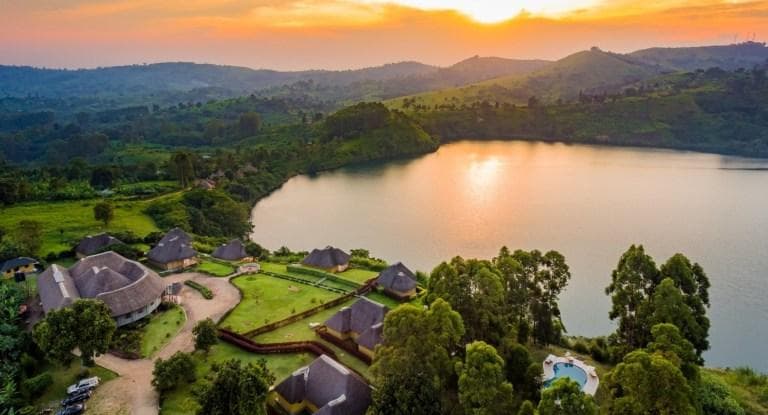
Lake Bunyonyi, in southwestern Uganda, is known for its scenic hills, islands and peaceful waters. It offers opportunities for canoeing with qualified local guides, birdwatching, photography and enjoying the surrounding landscape.
For travelers seeking a slower-paced holiday, the destination can provide time to rest, spend time with loved ones and temporarily step away from busy schedules. Sitting beside the lake, enjoying the scenery or learning about local communities can make the experience rewarding without requiring strenuous physical activity.
Water-based activities should always be approached responsibly. Visitors should use appropriate safety equipment, follow local guidance and consider weather conditions before going onto the water.
3. Sipi Falls: Adventure Through Hiking
Sipi Falls, in the Kapchorwa area of eastern Uganda, attracts visitors with its waterfalls, green landscapes and walking routes. Guided hikes allow travelers to explore the surrounding countryside, appreciate the scenery and learn about local life.
Hiking can provide a useful combination of physical activity, outdoor discovery and social interaction. It also encourages travelers to appreciate the effort involved in reaching viewpoints and experiencing landscapes on foot.
Because some routes can be steep, slippery or physically demanding, travelers should choose an appropriate route, wear sturdy footwear and follow their guide's advice. Anyone with relevant health concerns should consider the demands of the hike before participating.
4. Uganda's National Parks: Wildlife, Learning and Discovery
Uganda's national parks offer opportunities to observe wildlife, learn about ecosystems and appreciate the relationship between people and nature. Destinations such as Queen Elizabeth National Park, Murchison Falls National Park and Lake Mburo National Park provide different landscapes and wildlife experiences.
A safari may include game drives, boat excursions, guided walks where permitted and opportunities to learn about conservation. Although many game drives involve sitting in a vehicle, the experience can still support mental refreshment, curiosity and appreciation of the natural world.
Wildlife tourism should always be conducted responsibly. Travelers should follow park regulations, maintain safe distances from animals and respect the instructions of professional guides. These measures protect both visitors and wildlife.
The Role of Travel in Emotional Well-Being
Emotional well-being can be influenced by the quality of our experiences, relationships and opportunities for rest. A well-planned trip can create space for people to enjoy activities they find meaningful, reflect on personal goals and spend time away from everyday responsibilities.
For some travelers, exploring a new destination provides a sense of achievement. Completing a hike, learning a traditional dance, navigating a new town or discovering an unfamiliar cultural practice can build confidence and encourage a sense of independence.
Travel can also provide opportunities to create positive memories. Shared experiences with friends, family members or colleagues may strengthen relationships and give people something enjoyable to remember long after returning home. For solo travellers, a trip may offer an opportunity to develop independence, discover personal interests and become more comfortable in unfamiliar environments.
Nevertheless, travel does not affect everyone in the same way. Some people may experience anxiety when travelling, particularly when dealing with unfamiliar surroundings, accessibility barriers or changes in routine. Allowing sufficient rest, planning realistically and choosing comfortable activities can make a trip more enjoyable.
How Travel Strengthens Social Connections
Human relationships are an important part of well-being, and tourism can create opportunities for people to connect. Family holidays, group excursions, cultural visits and team-building trips allow participants to spend time together outside their normal routines.
During a group excursion, people may share meals, learn about a destination, participate in outdoor activities and help one another overcome small challenges. These shared experiences can encourage communication, cooperation and stronger relationships.
Community-based tourism also introduces visitors to local people, traditions, crafts, food and ways of life. When approached respectfully, these interactions can broaden understanding and help travelers appreciate the experiences of others. They can also support local guides, artisans, accommodation providers and small businesses.
For tourism companies, offering well-organized group experiences can make travel more accessible to people who prefer not to explore alone. The itinerary should allow enough time for participants to interact, rest and enjoy the destination without feeling rushed.
Healthy Travel Begins With Good Planning
Although travel can offer opportunities for well-being, the quality of the experience depends partly on preparation. A rushed itinerary, inadequate hydration, insufficient sleep or activities beyond a traveler's ability can turn an enjoyable holiday into an exhausting experience.
Travelers should consider the distance to the destination, road conditions, expected weather, physical demands and time needed for rest. Choosing appropriate accommodation and reliable transport can also reduce unnecessary discomfort.
Food and hydration deserve attention as well. Visitors should drink safe water, eat properly prepared meals and carry suitable snacks when taking part in activities that require sustained effort. Travelers with specific dietary needs should communicate these requirements before the trip.
Rest is equally important. Not every moment needs to be filled with an activity. Allowing time to enjoy a view, relax at the accommodation or explore a destination at a comfortable pace can make the journey more satisfying.
People with medical conditions, mobility limitations or other health concerns should seek appropriate professional advice when necessary and inform their tour organizer about relevant requirements. Travel plans should accommodate individual needs rather than assume that every traveler can participate in the same activities.
Practical Ways to Make Your Next Trip Healthier
Travelling with well-being in mind does not require an expensive holiday or a demanding adventure. Small decisions can make a meaningful difference to the experience.
Choose activities that encourage movement. Include nature walks, gentle hikes, cycling or other suitable recreational activities. Select options that match your fitness level and interests.
Make time for nature. Spend part of the trip in a garden, forest, lakeside setting or other natural environment. Put aside time to appreciate the surroundings rather than focusing entirely on photographs and schedules.
Balance adventure with rest. Combine active experiences with relaxed meals, scenic stops and sufficient sleep. A good itinerary should leave travelers with enjoyable memories rather than unnecessary exhaustion.
Stay hydrated and eat safely. Carry drinking water when appropriate, choose hygienically prepared food and take extra care in hot weather or during physically demanding activities.
Travel with people who make the experience enjoyable. Friends, family members, colleagues or organized groups can provide opportunities for shared discovery and social connection.
Respect your personal limits. You do not need to complete the most difficult hike or participate in every activity to enjoy a destination. Choose experiences that allow you to feel comfortable and safe.
Protect the environment. Dispose of waste responsibly, follow local rules and respect wildlife. Healthy natural environments are important to both communities and future travelers.
Wellness Tourism: An Opportunity for Uganda's Tourism Industry
Wellness tourism broadly includes travel experiences that help people maintain or support their well-being. These experiences may involve outdoor recreation, relaxation, nature-based activities, cultural experiences, healthy food and time away from demanding routines.
Uganda has opportunities to develop tourism packages that bring these interests together. A short escape might combine a scenic drive, a guided nature walk, a local food experience and a comfortable overnight stay. A longer holiday could include hiking, wildlife viewing, cultural encounters and periods of relaxation.
Tourism businesses can respond by designing flexible packages for different interests and abilities. Some visitors may prefer active outdoor experiences, while others may be looking for quiet scenery, family recreation or a gentle introduction to nature. Offering clear activity descriptions and realistic physical-demand information helps travellers make suitable choices.
Responsible wellness-oriented tourism should also avoid promising medical outcomes that a holiday cannot guarantee. Travel experiences may support relaxation, activity and social connection, but they are not a replacement for professional healthcare. The focus should remain on enjoyable, safe and thoughtful experiences that complement a healthy lifestyle.
By working with local guides, accommodation providers, cultural groups and community businesses, tour operators can help create experiences that benefit visitors while contributing to local livelihoods and conservation.
How WildPulse Adventures Can Help You Explore With Purpose
At WildPulse Adventures, travel can be presented as more than simply moving from one destination to another. It can be an opportunity to discover Uganda, experience its natural beauty, learn about its people and create meaningful memories along the way.
Whether travelers are interested in a relaxing lakeside escape, an adventurous hike, a wildlife safari, a cultural excursion or a weekend exploring a new destination, thoughtful planning can help make the journey enjoyable and comfortable. Selecting appropriate activities, reliable transport, suitable accommodation and sufficient time for rest allows visitors to experience more of what a destination has to offer.
Every traveler has different interests and needs. Some want the excitement of adventure, while others prefer peaceful scenery, photography, cultural discovery or quality time with loved ones. A well-designed travel experience recognizes these differences and helps visitors choose a journey that suits them.
Through the spirit of Escape, Explore, Experience, WildPulse Adventures encourages travelers to discover the beauty of Uganda while appreciating the value of meaningful experiences, responsible tourism and time spent in nature.
Conclusion: Every Journey Can Be an Opportunity to Feel Refreshed
Travel, exploration and health connect through the opportunities they create for movement, relaxation, learning and human connection. A walk through a forest, a hike to a waterfall, a peaceful afternoon beside a lake or a wildlife excursion can offer more than sightseeing. These experiences can help people break from routine, appreciate their surroundings and make time for activities that contribute to their overall well-being.
Uganda's natural landscapes, cultural heritage and diverse tourism experiences provide many ways to explore with purpose. The key is to travel thoughtfully, choose suitable activities, respect personal limits and make room for both adventure and rest.
A healthier approach to travel does not mean turning every holiday into an exercise program. It means recognizing that the journey itself can be valuable: the places we discover, the people we meet, the memories we create and the time we take to appreciate the world around us.
Escape the routine. Explore the beauty of Uganda. Experience the journey in a way that nourishes your curiosity, strengthens connections and leaves you with lasting memories.